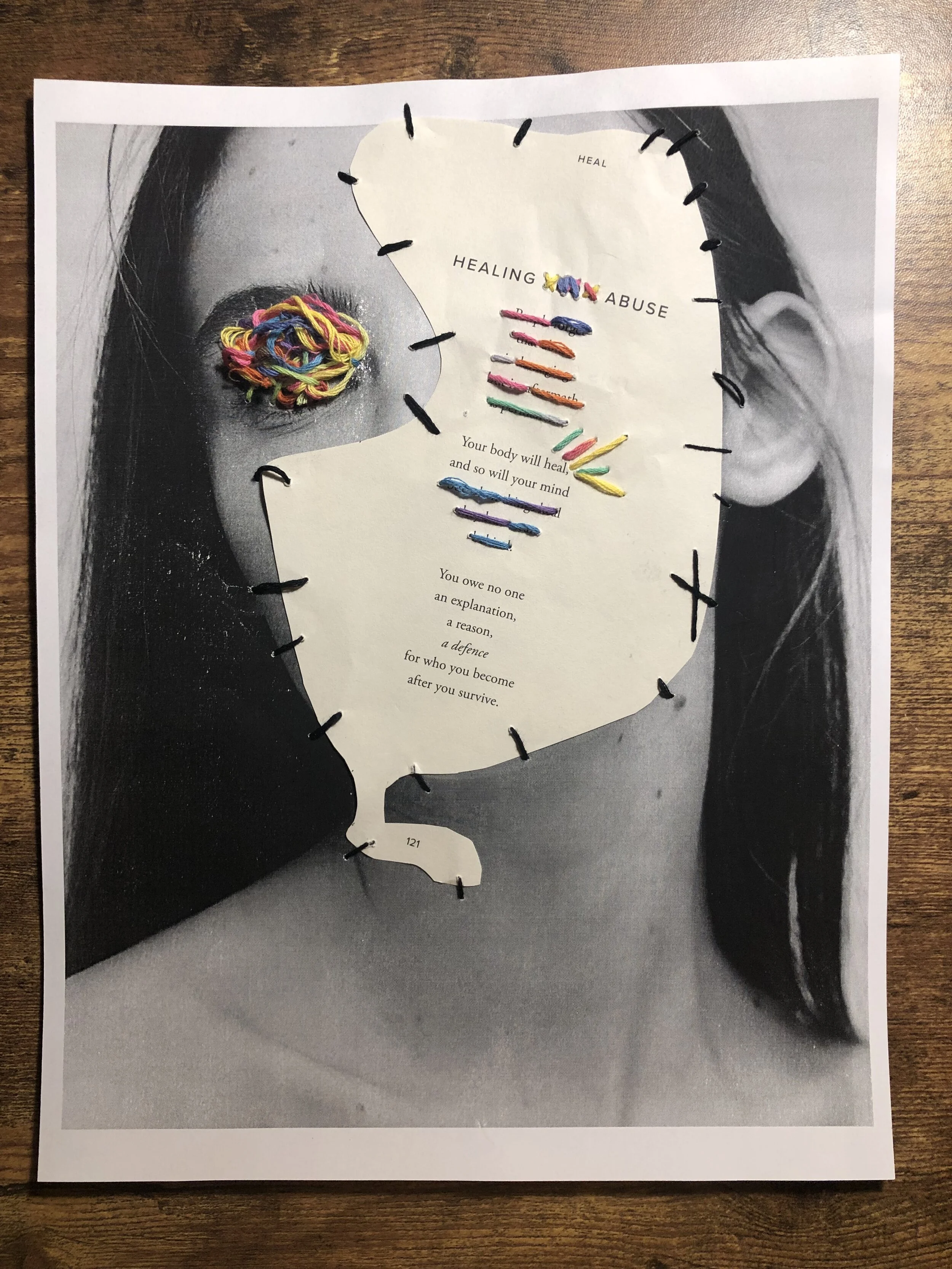
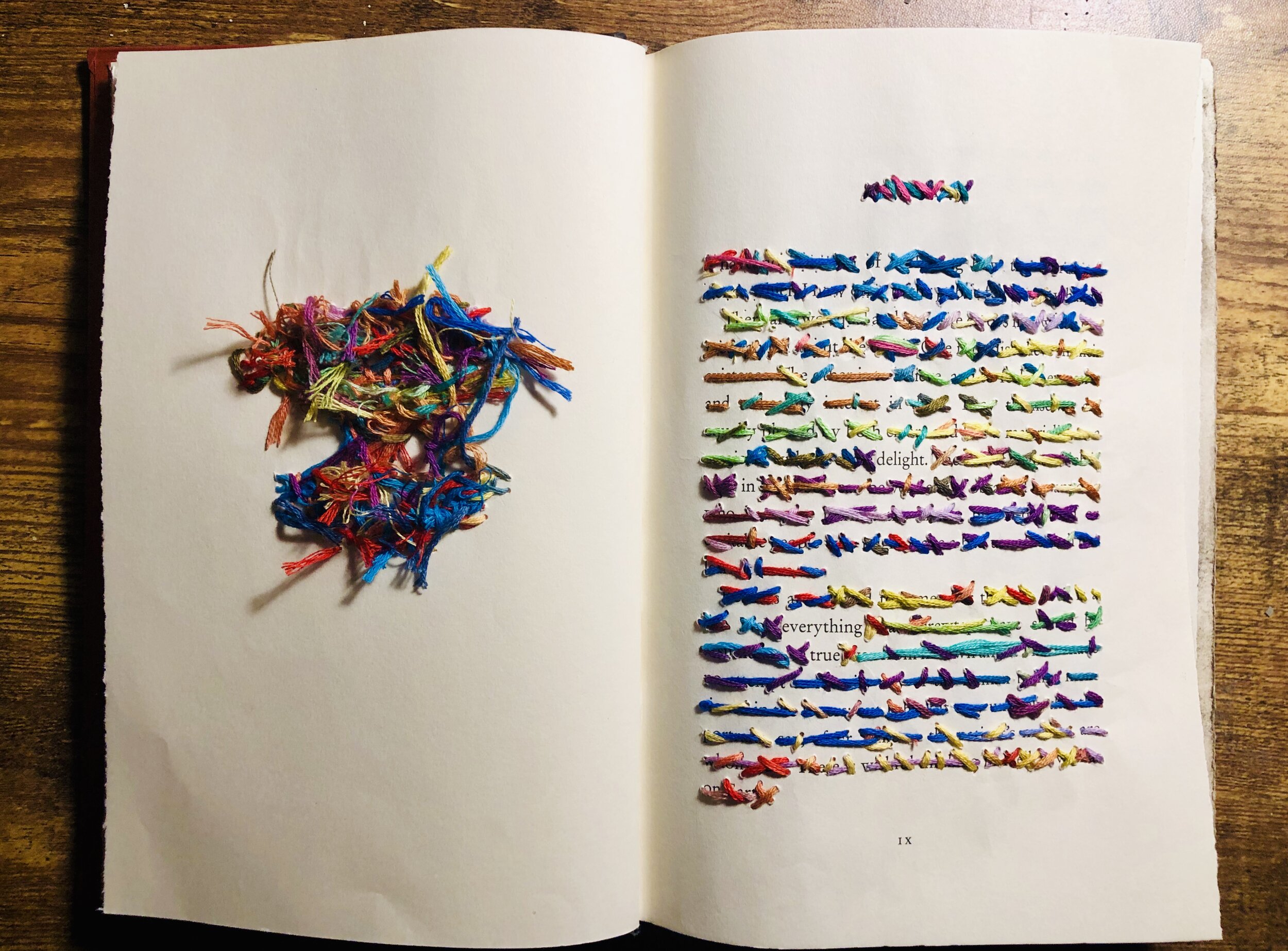
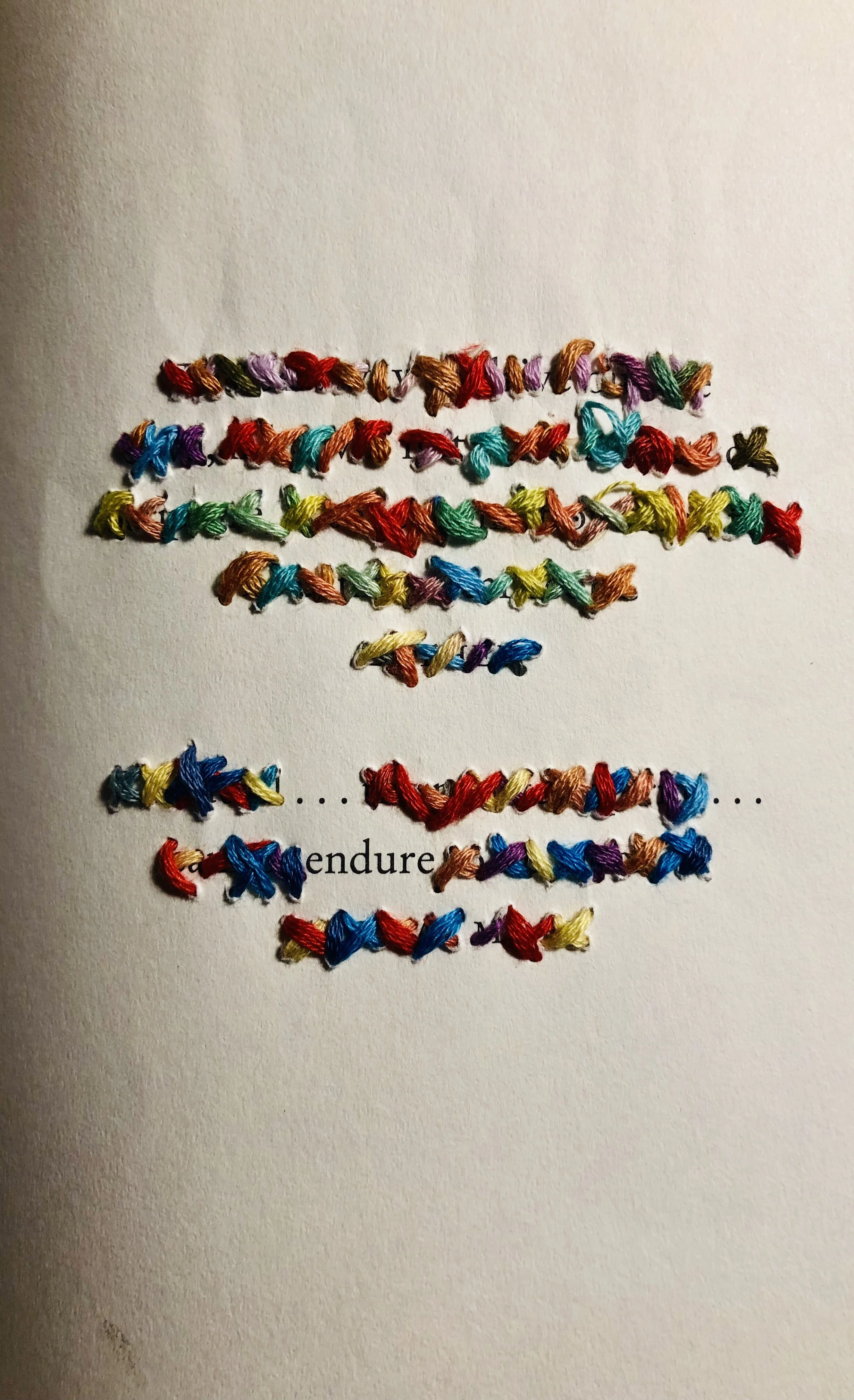
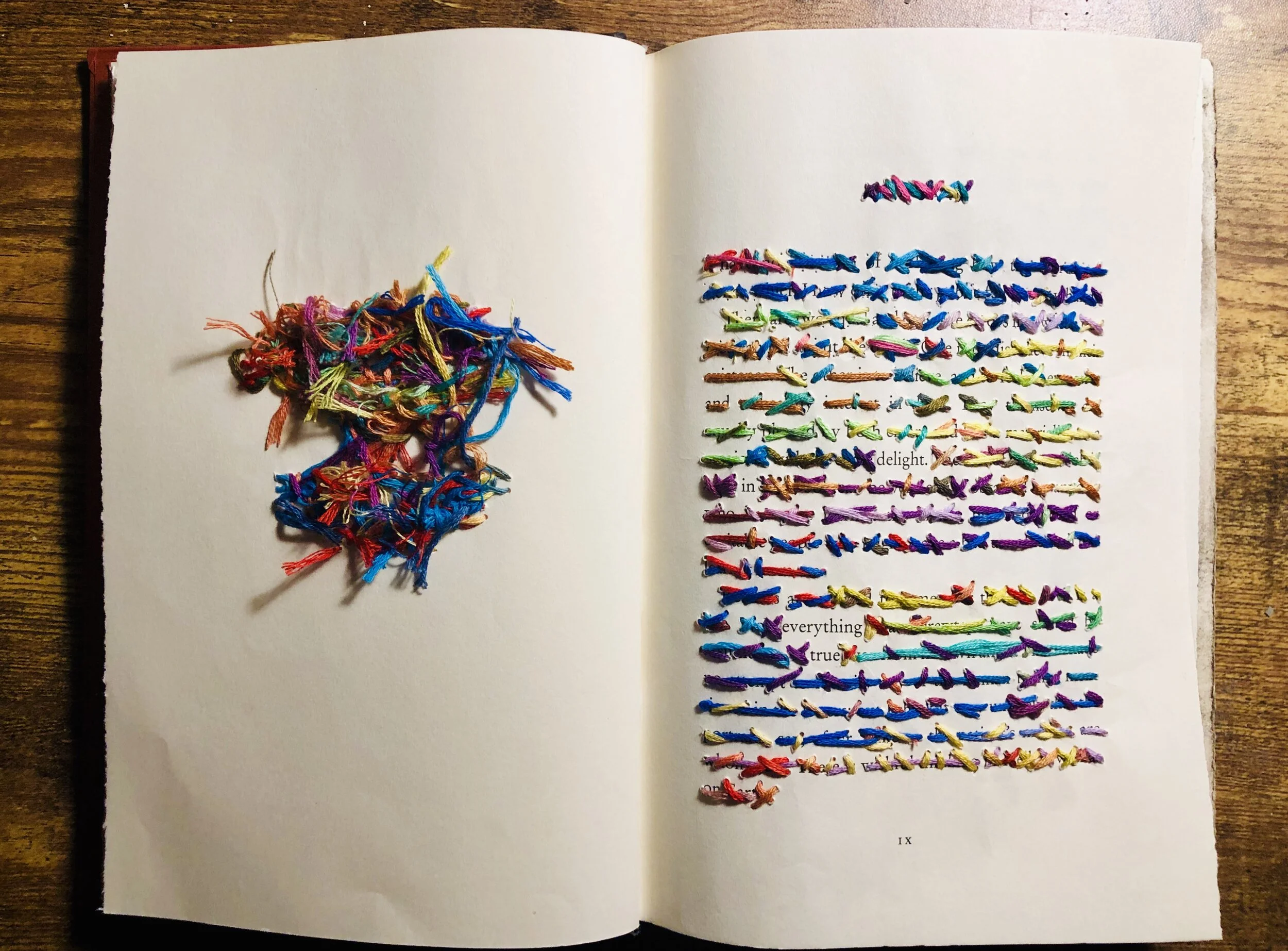
Needle and thread, photo paper and the a page from Nakita Gill’s Your soul is a river.
“Your body will heal,
and so will your mind…
You owe noone an explanation,
a reason,
a defense
for who you have become
after you survive.”
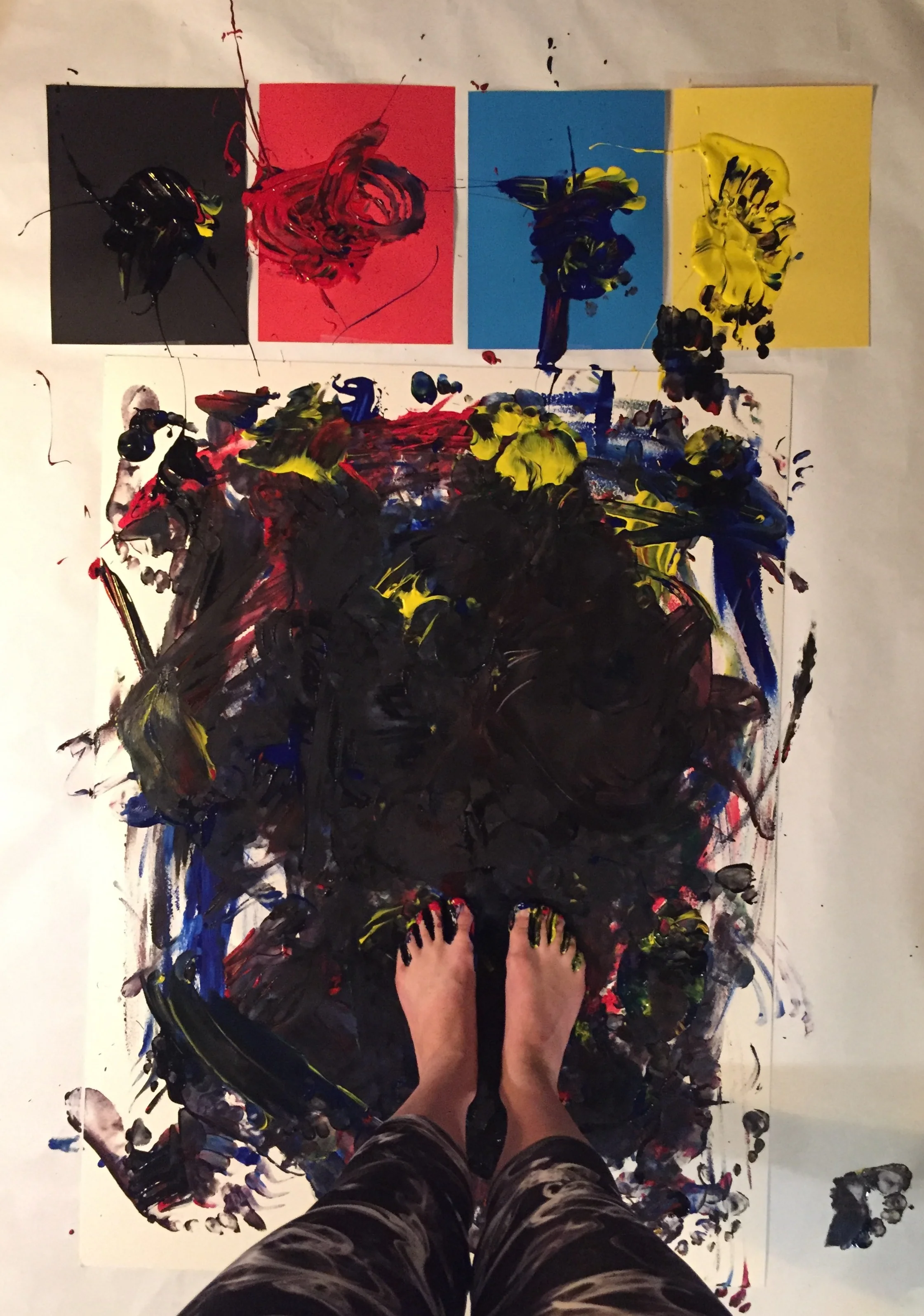
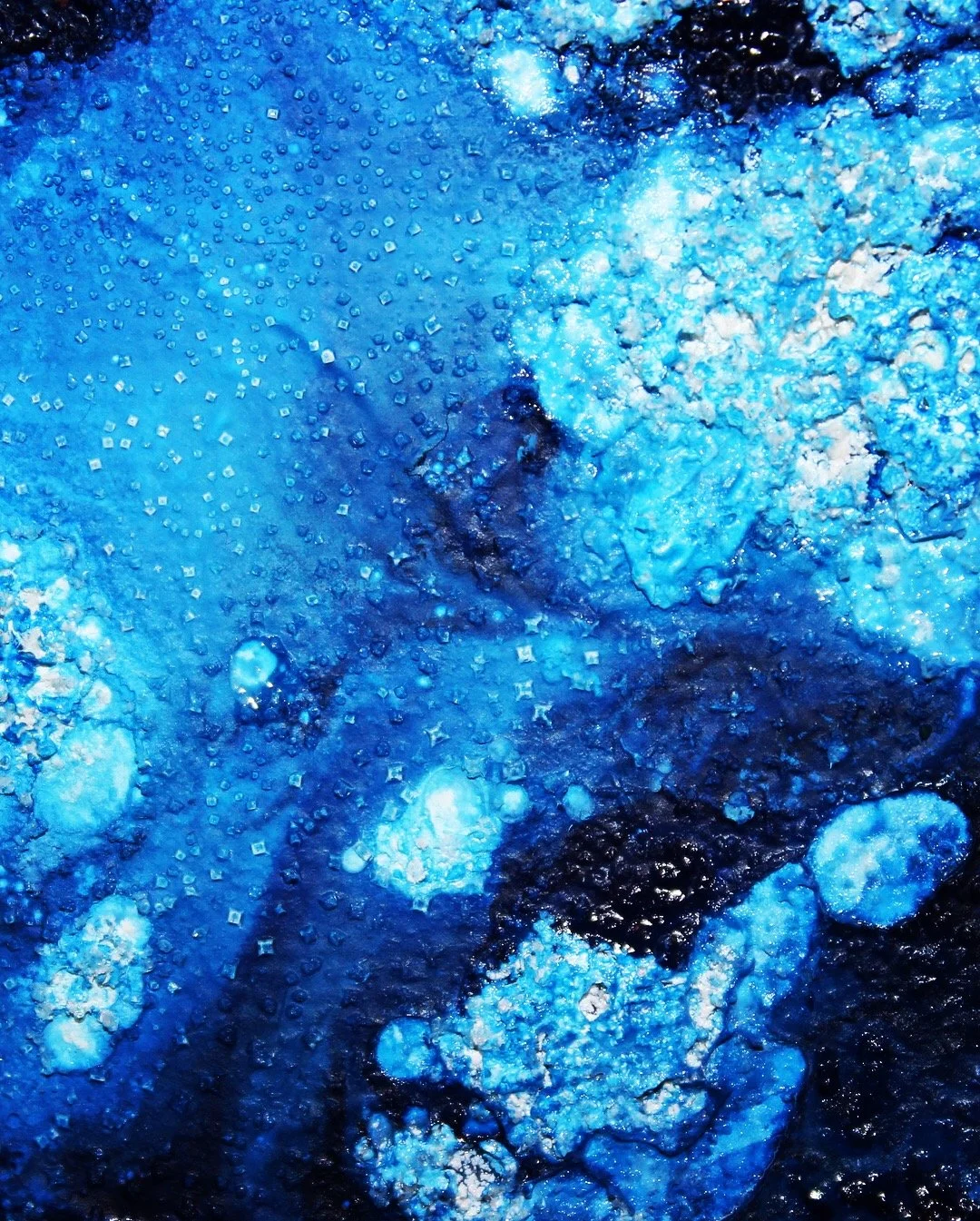
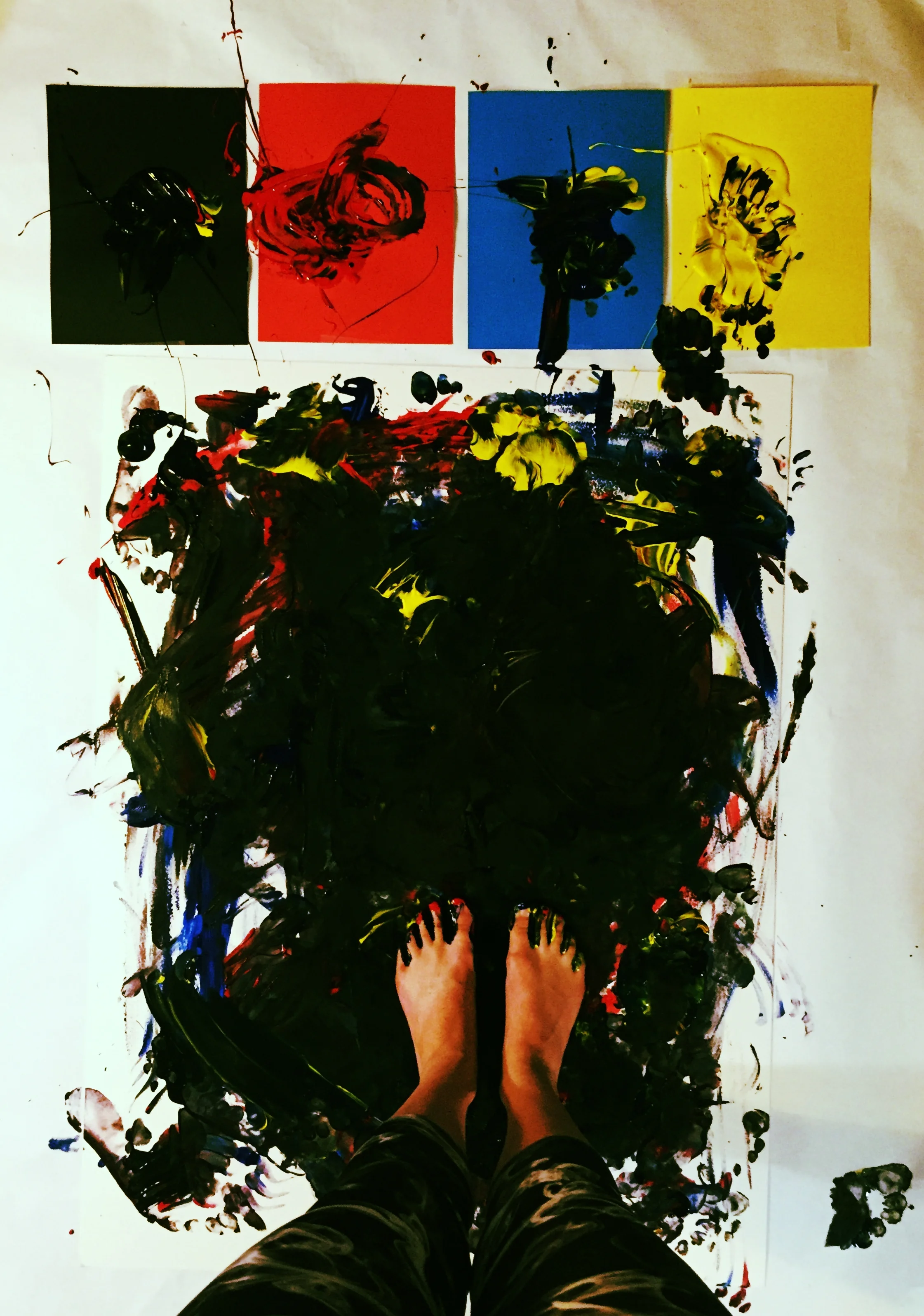
This piece is an attempt to harmonize two languages of emotional truth, paint and dance. Painting and dancing have been separate forms of creative expression since the beginning of time. Using a two-dimensional surface with a three-dimensional dance, communicates a deeper expression of consciousness.
A story was written… it existed one way… until everything changed. The pages past were no longer true. Instead of abandoning the book, divine hands carefully and painstakingly transformed a story into a work of art.
One of the most common misconceptions about art therapy is that you need to be “good” at art to benefit from it. But art therapy has nothing to do with technical skill, and everything to do with expression, process, and connection. It’s not about creating something polished or perfect. It’s about showing up, being curious, and allowing your inner world to take shape on the page.
Coming from a background in fine arts, where technique and mastery were often the focus, I’ve had to gently unlearn the belief that art only holds value when it meets a certain standard. In art therapy, I’ve found freedom in the messiness of beginnings, the vulnerability of the unfinished, and the quiet power of images that speak more truth than words can. I'm learning to embrace the idea that art is always a process, one that evolves with us.
Whether it’s a simple doodle or a layered painting, what matters is not how it looks, but what it holds. The heart of art therapy is not performance. It's presence.
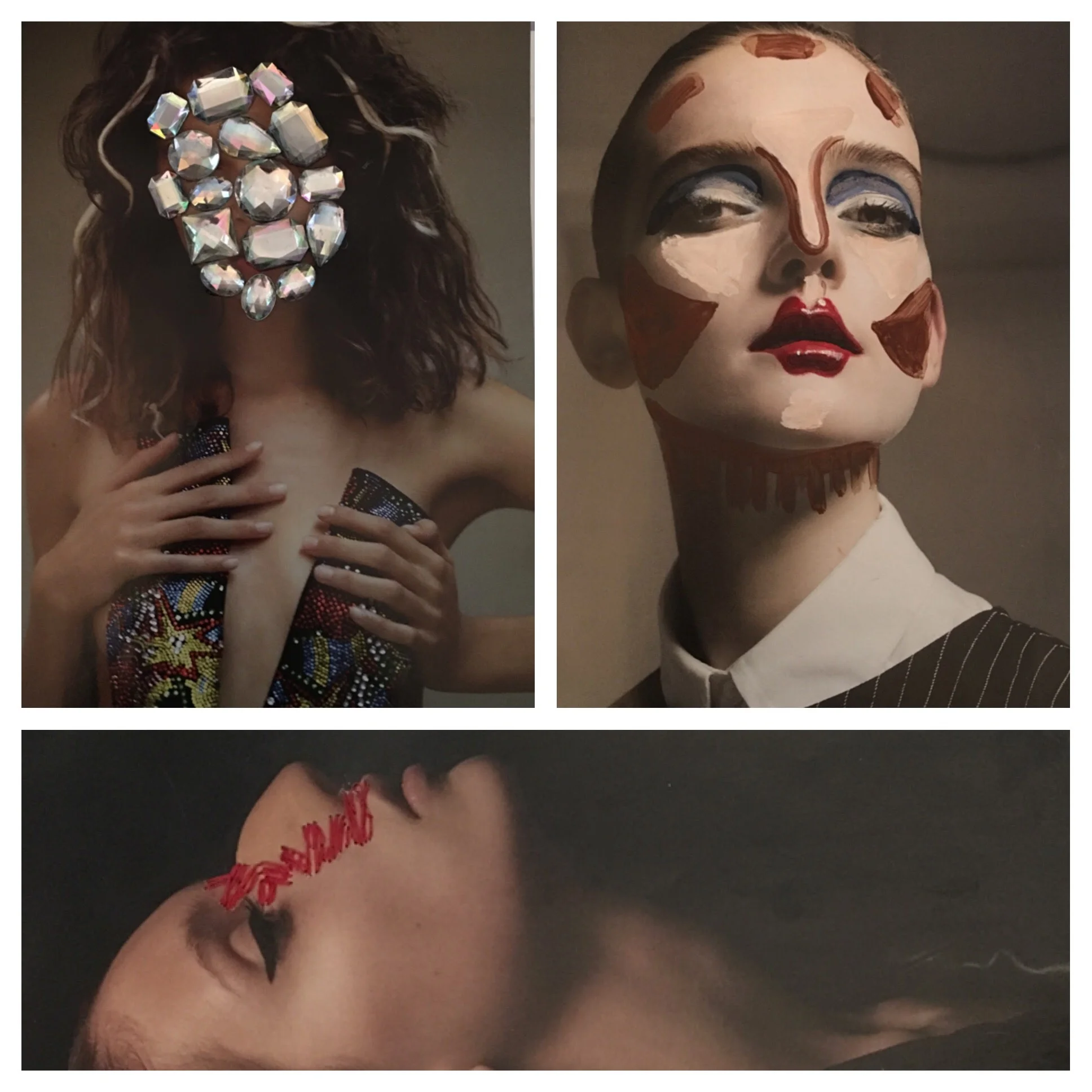
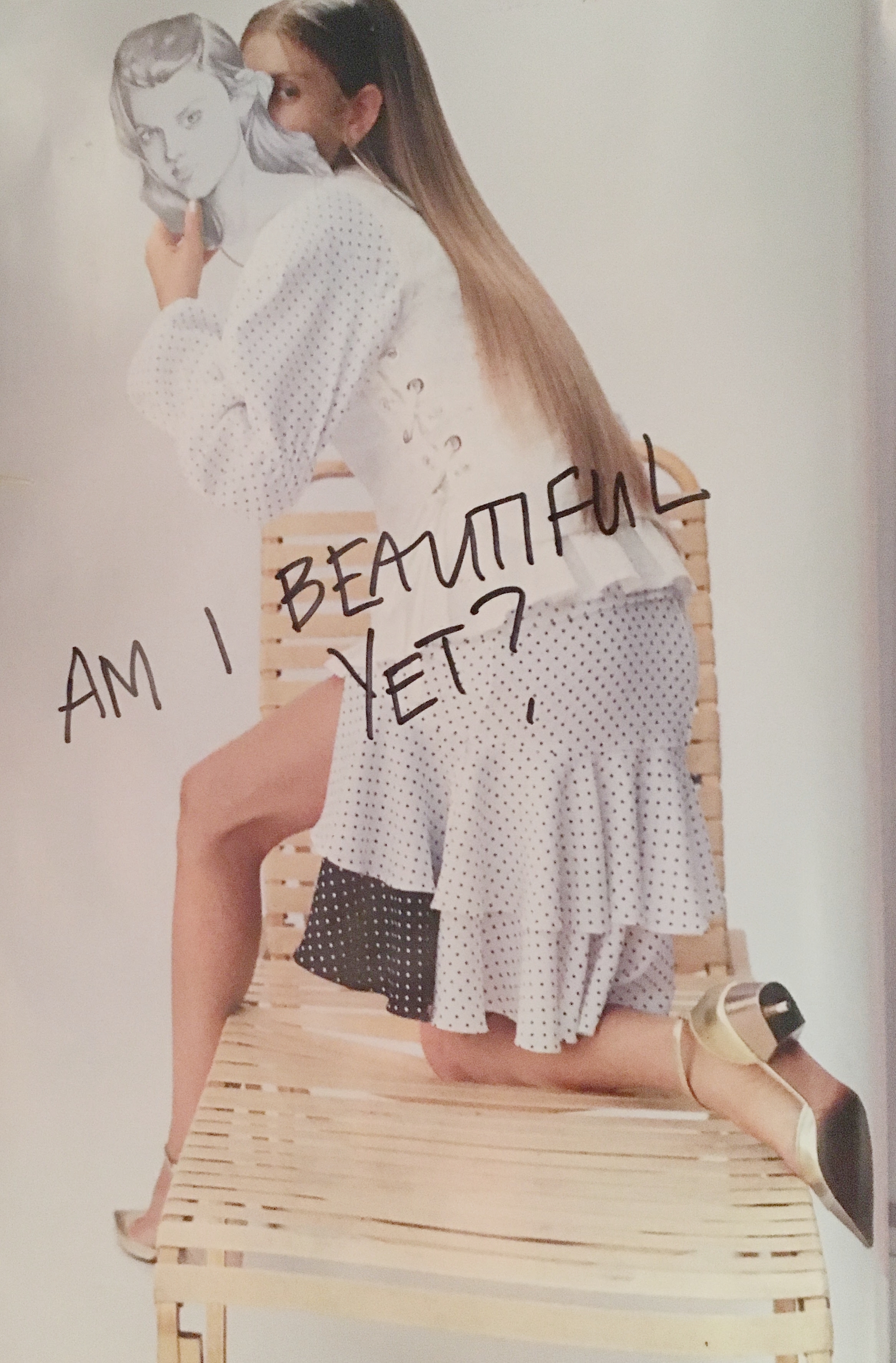
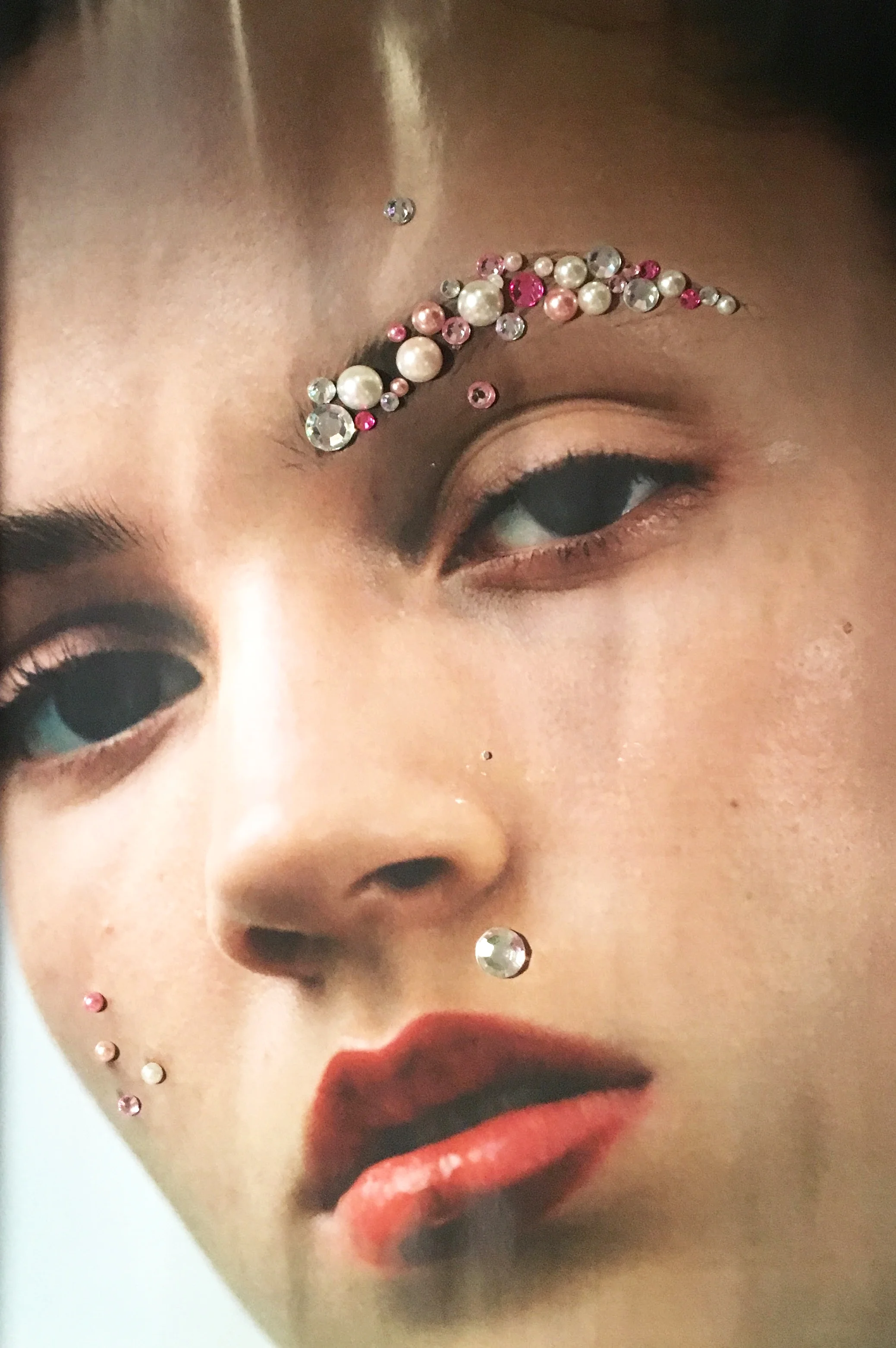
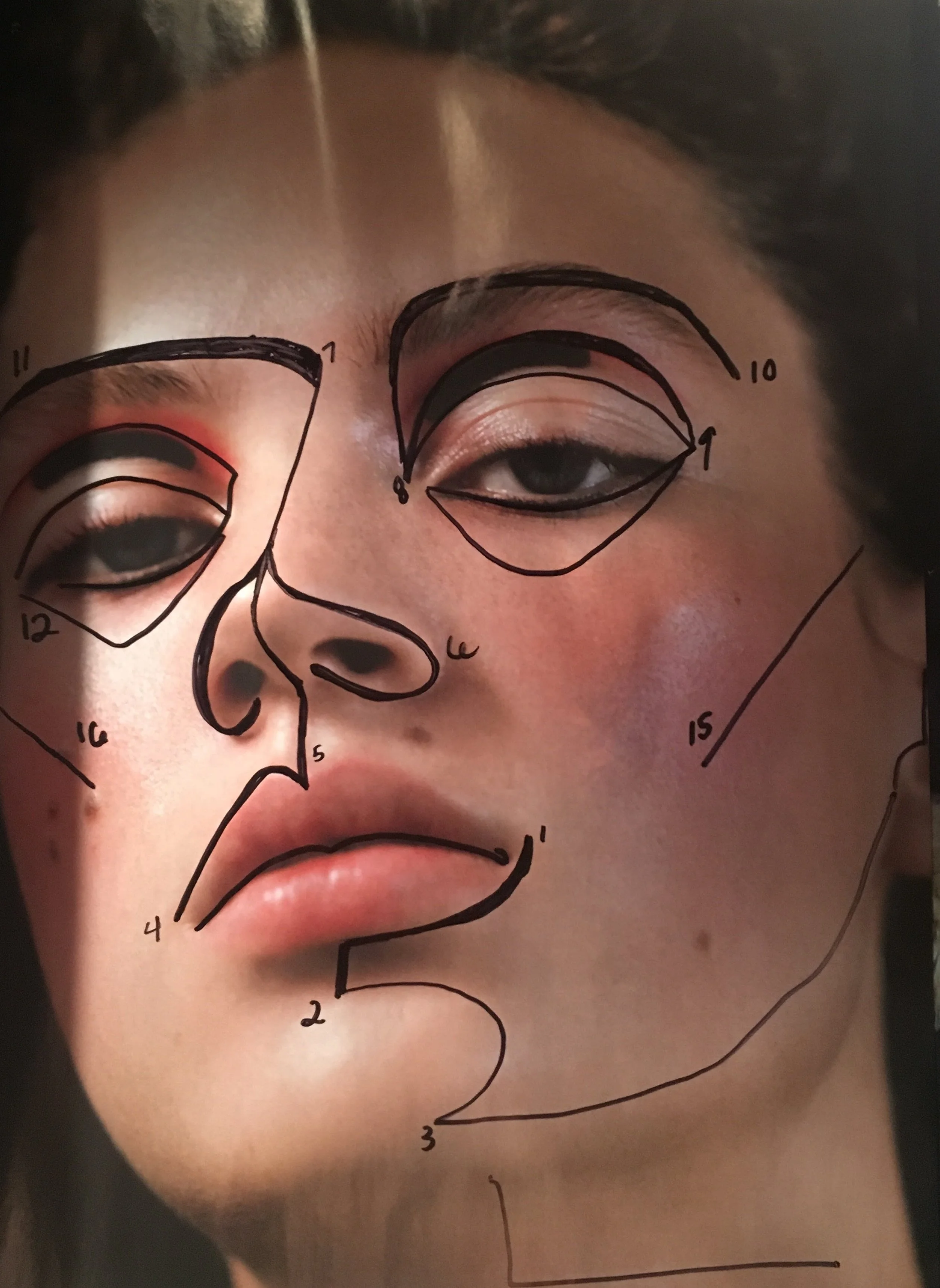
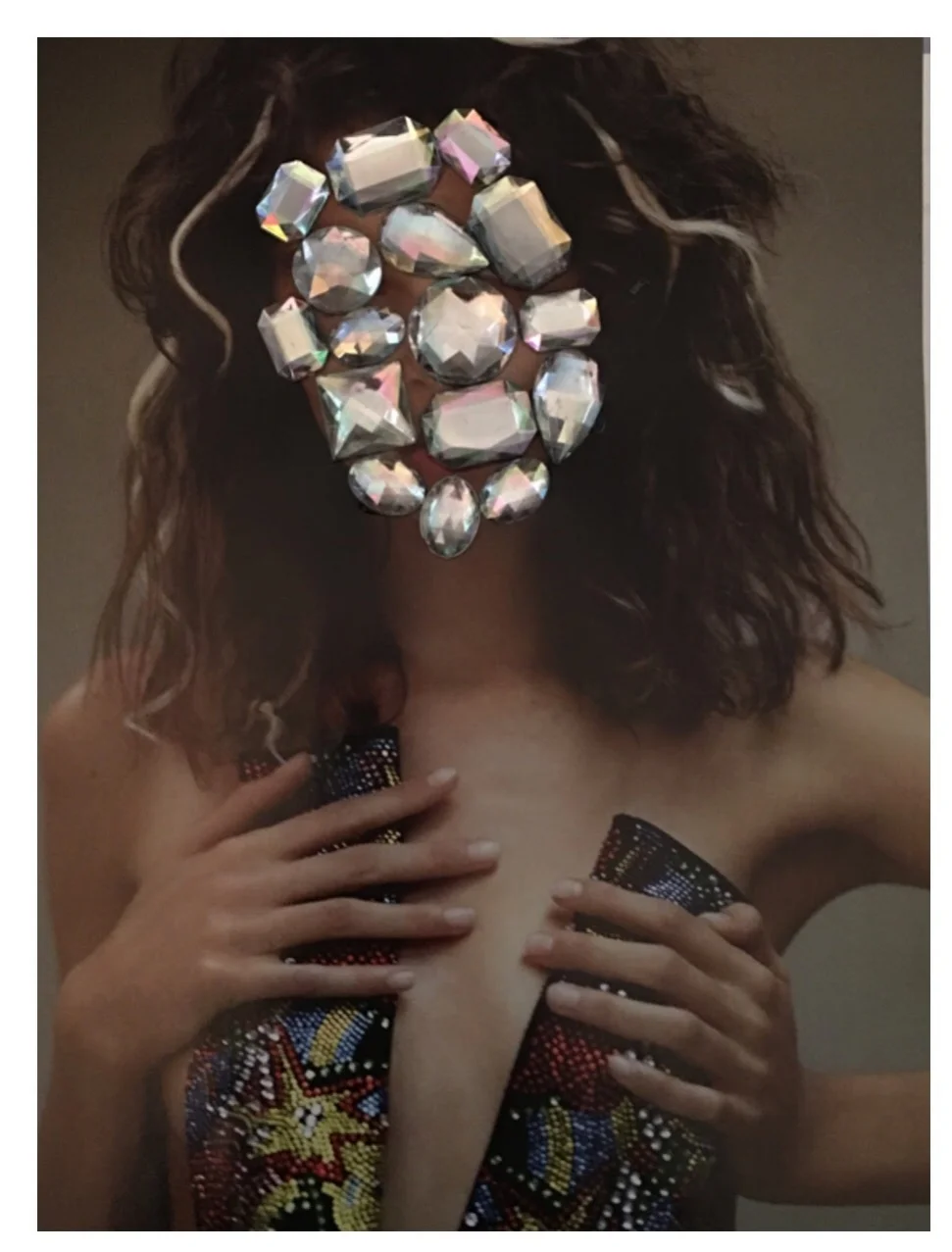
This series examines how unrealistic and unattainable standards of beauty and sexuality shape the way people experience their bodies, identities, and sense of worth. Through fragmented and altered imagery, the work explores the connections between objectification, pornography, sexual exploitation, and the pressure to become desirable for the consumption of others. The layering, binding, and obscuring of materials reflect the emotional impact of these messages, while also questioning who defines beauty and what is lost when a person is reduced to an image or object.
Materials:
Magazine pages, thread, wax, acrylic paint, tape, coins, gems, marker, and beads.
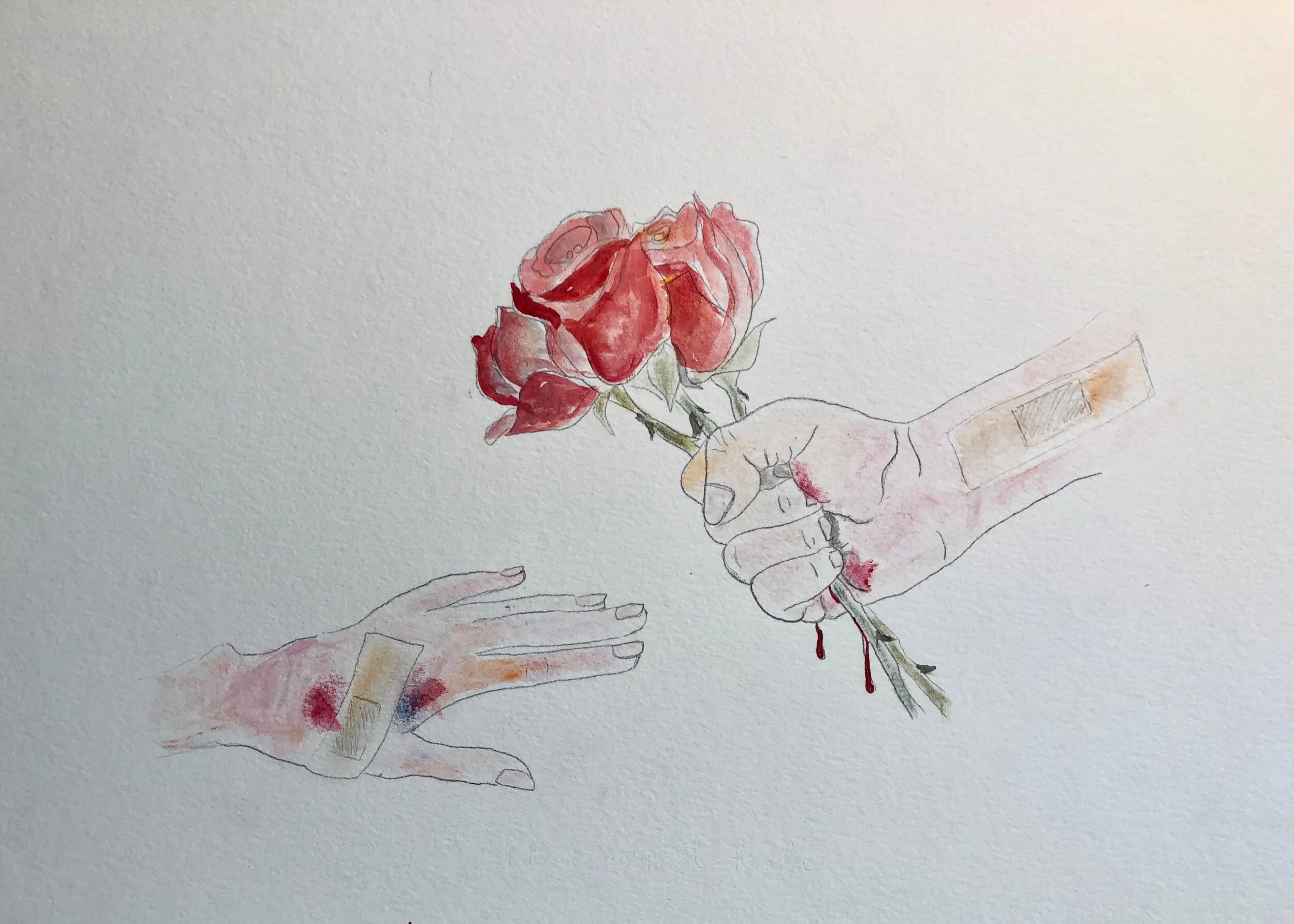
When a broken person tries to help a broken person heal, do they heal?
There is a tremendous amount of victory in being a “healed healer”.
materials:
watercolor paper, graphite pencil, and watercolor
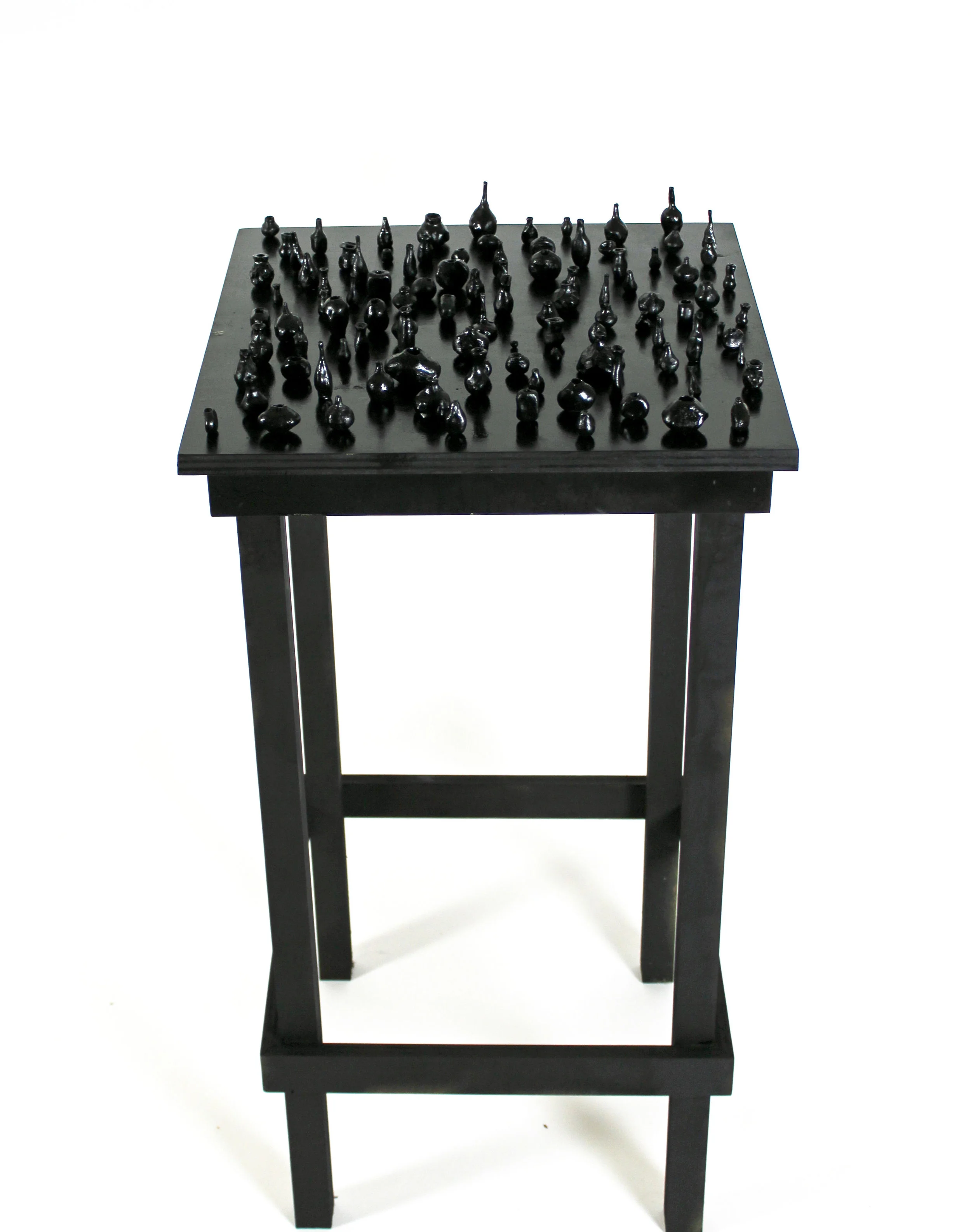
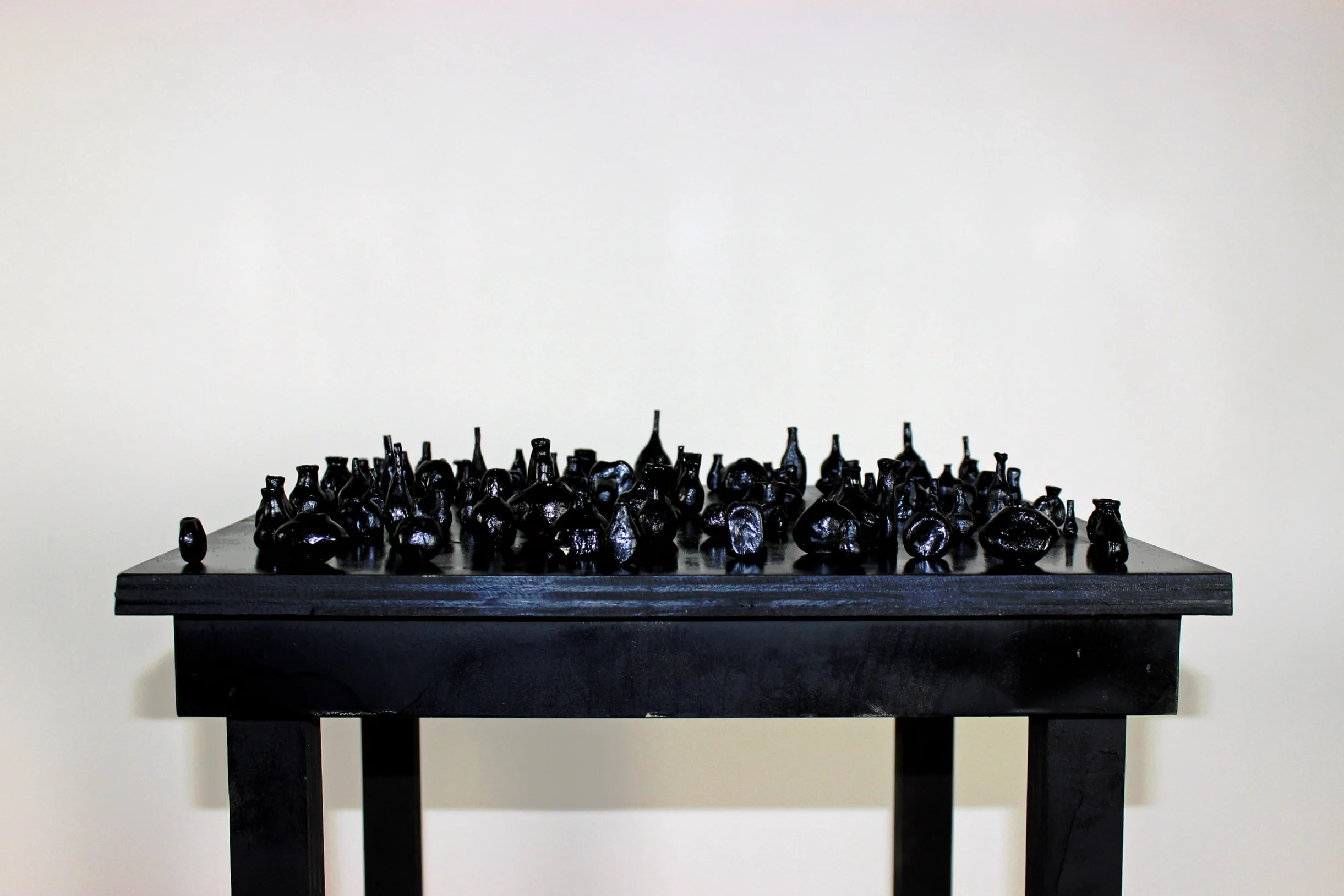
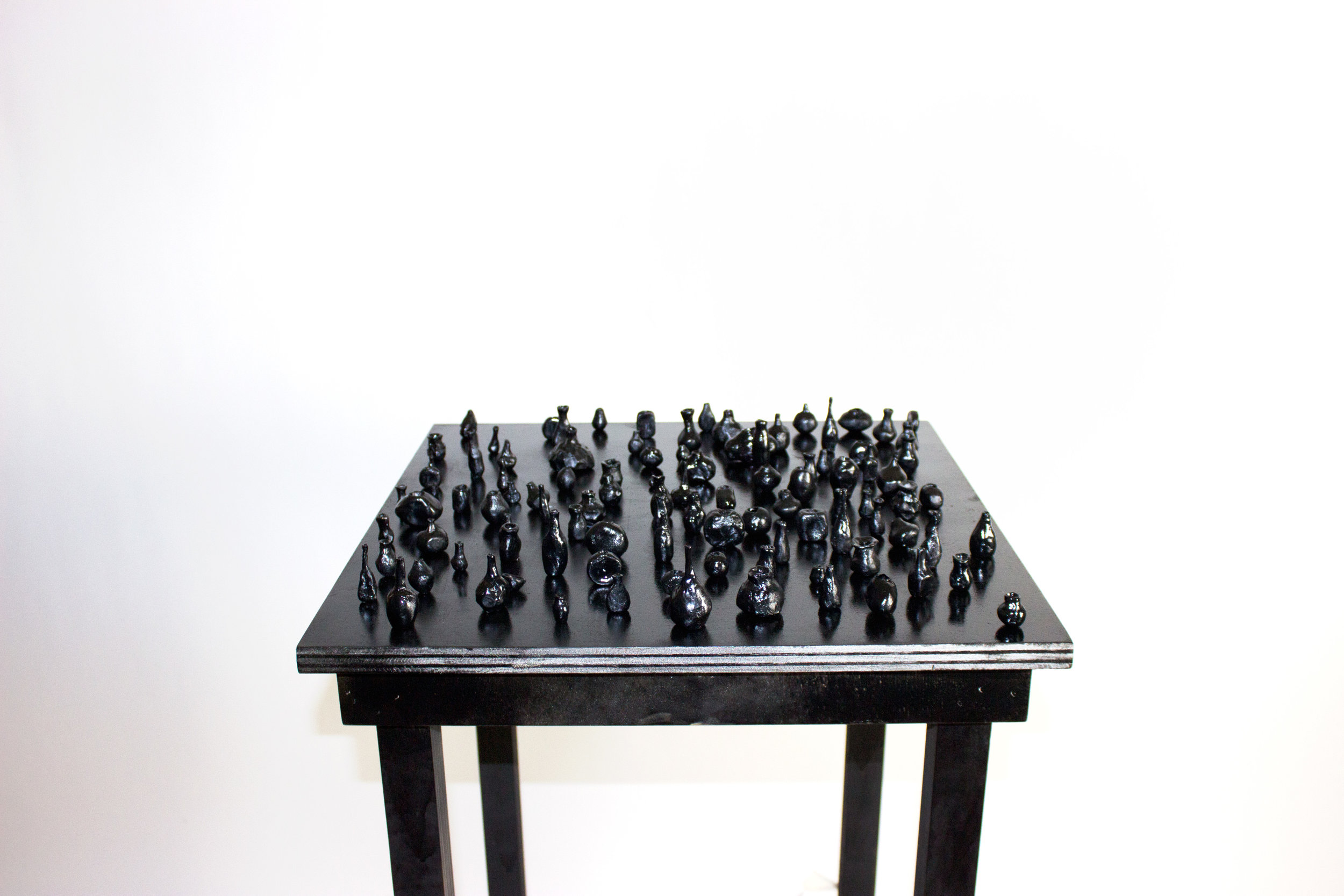
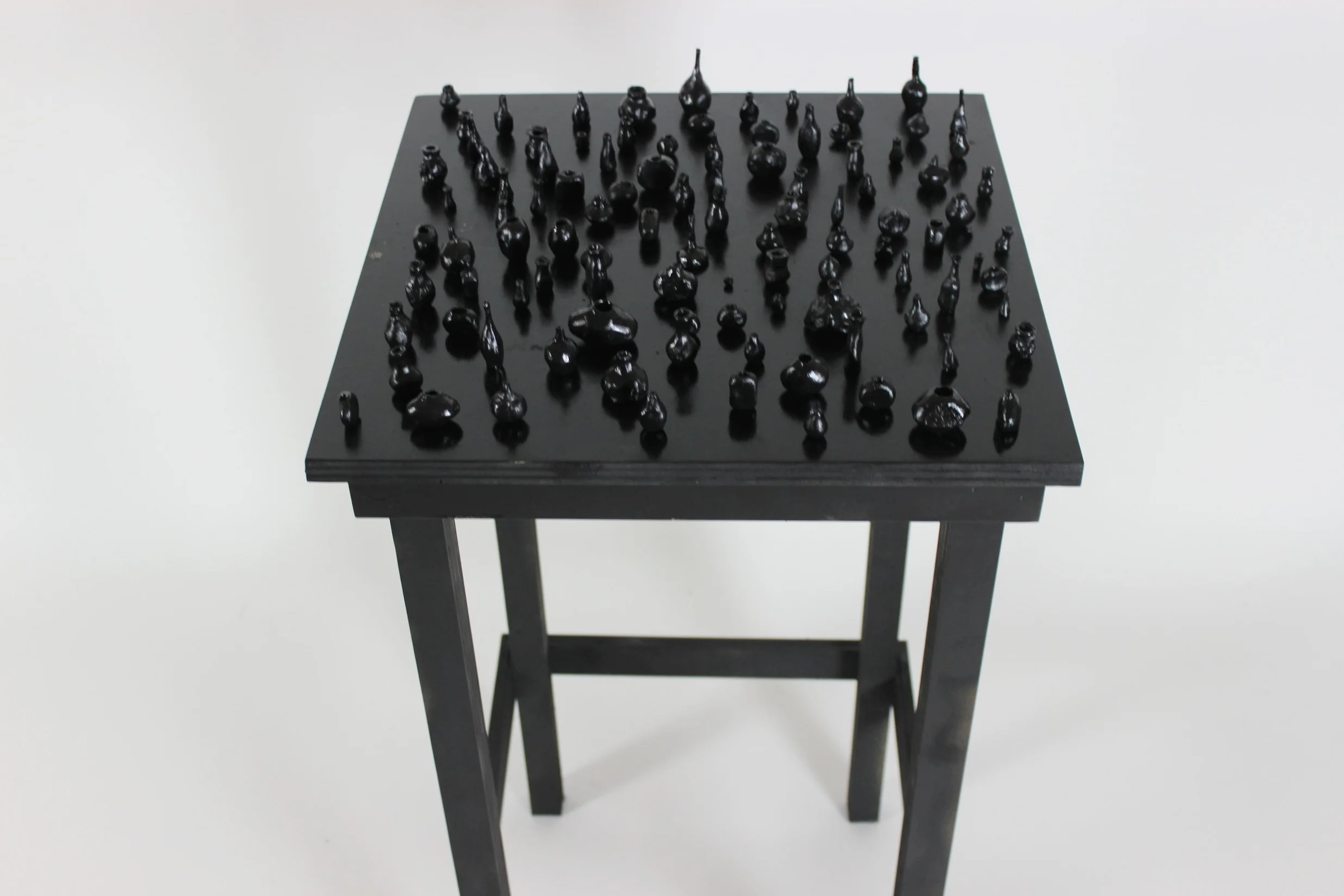
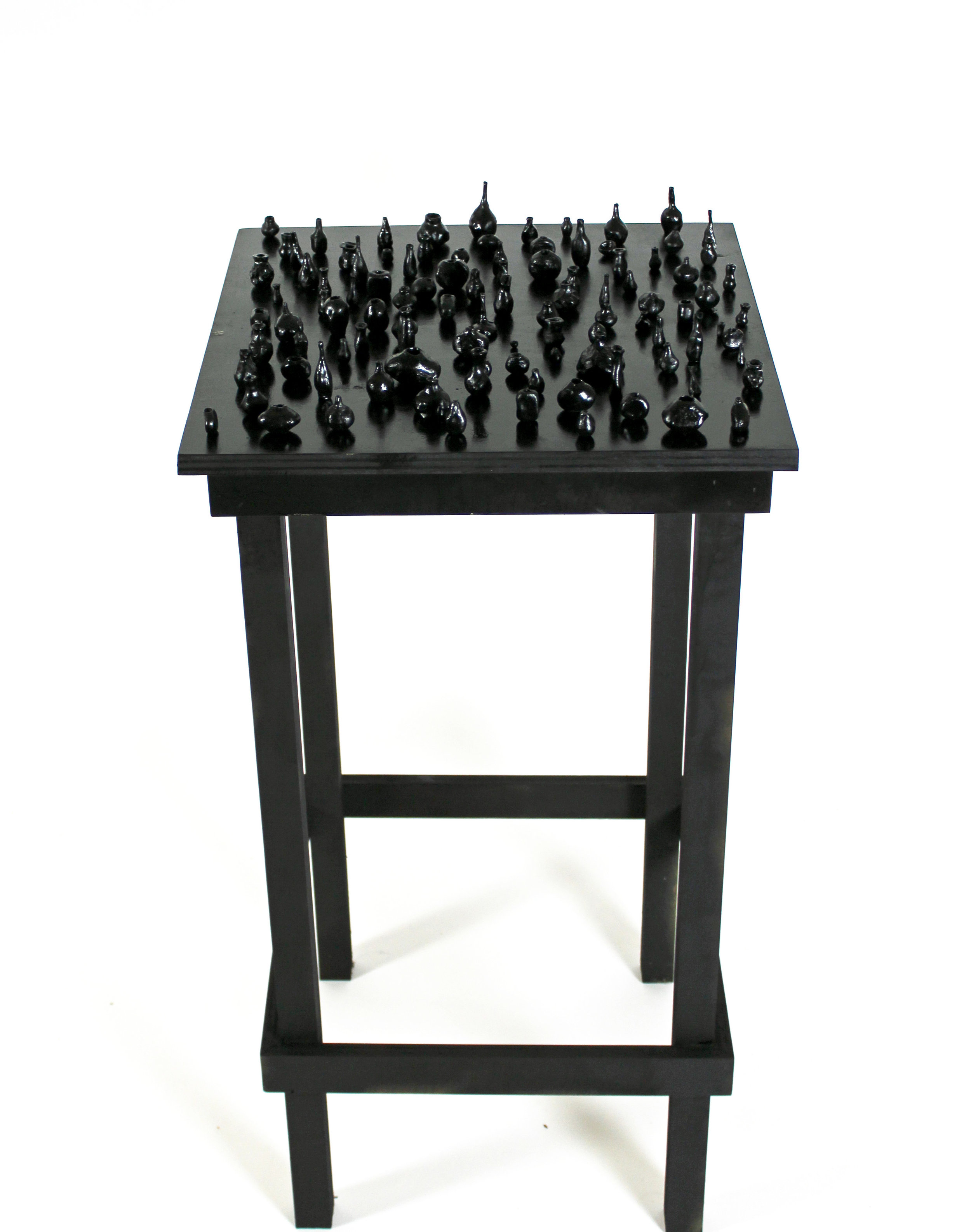
Pompeii explores the sorrow, loss, and fragile traces left behind by tragedy. I sculpted miniature clay forms inspired by pottery recovered from the ruins of Pompeii, Italy. The repetitive process of forming and arranging each object became a way of reflecting on lives interrupted and the ordinary belongings that endured.
The black surface unites the miniature vessels with the table, blurring the distinction between object and environment. The forms appear partially absorbed into the structure, evoking artifacts preserved beneath layers of ash. Although their arrangement suggests a game or precious collection, it also invites quiet exploration, remembrance, and contemplation of what remains after devastating loss.
Materials:
Clay, glaze, wood, adhesive, and spray paint
Pompeii was published in FLARE Magazine in 2015.
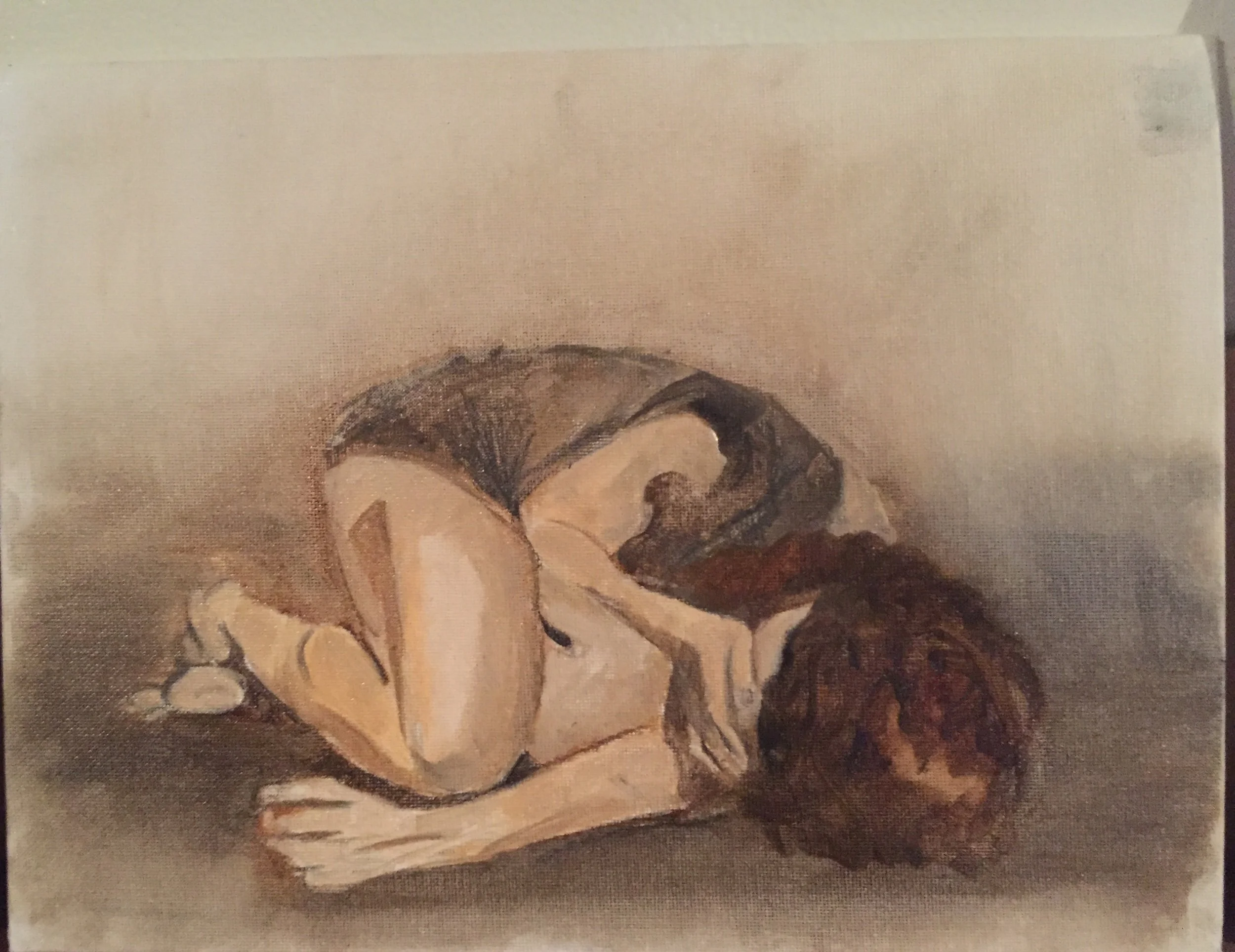
This oil painting explores grief as a force that reshapes us. Curled on the floor, the figure folds inward beneath the weight of a sorrow that can no longer be carried upright. Her posture reflects the physical reality of loss, when grief moves beyond words and settles into the body.
Grief does not simply disappear with time. It changes form, arriving in waves and altering the way we understand ourselves, our relationships, and the world around us. Although the figure appears overcome, her curled position also resembles a protective posture, suggesting that transformation can begin quietly within our most vulnerable moments. The painting honors grief not as something to overcome, but as an experience we slowly learn to carry as it becomes part of who we are.